
Grief Hoarding
Grief hoarding is an informal psychological term used to describe a pattern where a person holds on tightly to grief, loss-related memories, or pain in ways that prevent emotional processing or healing. It is not a formal clinical diagnosis, but therapists sometimes use the phrase to describe certain coping behaviors around loss.
Core Idea
Instead of gradually integrating the loss into their life, a person may collect, preserve, or repeatedly revisit reminders of the loss in a way that keeps the grief emotionally “frozen.”
Common Signs of Grief Hoarding
Some behaviors that people associate with grief hoarding include:
🕯️ Accumulating physical reminders of the person who died
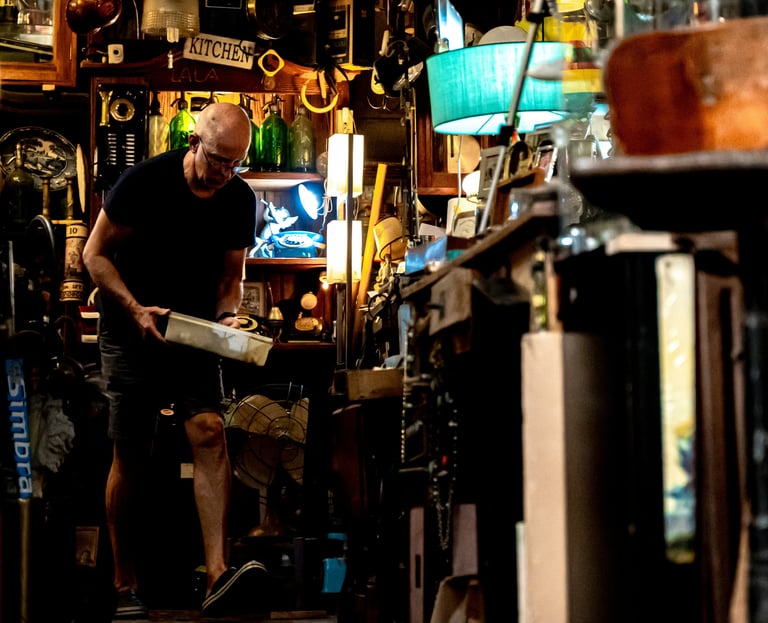
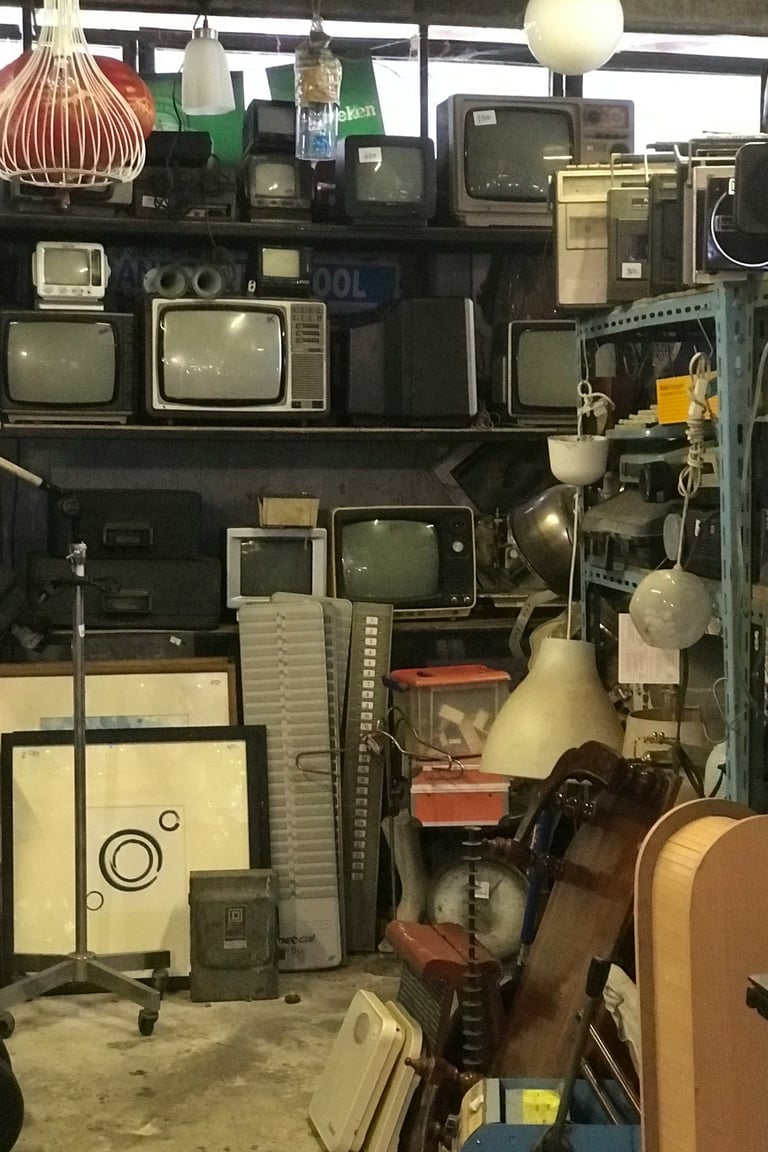
Keeping large amounts of belongings
Preserving rooms exactly as they were
Collecting memorial items, photos, or messages without being able to sort through them
📂 Saving emotional pain as a form of connection
Feeling that letting go of grief means betraying the loved one
Avoiding moments of joy because it feels disloyal
🔁 Repeatedly revisiting the loss
Re-reading messages or reliving the death frequently
Staying mentally in the moment of loss rather than the relationship
🧠 Identity becoming centered around the grief
Feeling that the grief defines who they are
Difficulty imagining a future beyond the loss
Why It Happens
Grief hoarding usually comes from very understandable psychological needs, such as:
Fear of forgetting the loved one
Belief that pain equals love
Feeling that moving forward means leaving them behind
Trauma connected to the loss
Lack of safe support to process the grief
Healthy Remembering vs. Grief Hoarding
Healthy grief often involves:
❤️ Continuing bonds with the person
📖 Meaningful memories
🕊️ Gradual emotional integration
Grief hoarding happens when the grief itself becomes the main way the relationship is preserved, preventing life from expanding again.
A Helpful Reframe that Many Therapists Suggest - A common therapeutic shift is:
You don’t have to carry the pain to carry the love.
Memories, rituals, storytelling, and legacy-building can honor the person without trapping someone in the suffering.


WELCOME TO ALL - THIS IS AN "ALL INCLUSIVE, NON-RELIGIOUS AND ALL WELCOMING COMMUNITY" - IMPORTANT INFORMATION:
IF YOU ARE CURRENTLY experiencing any suicidal thoughts; including thoughts of harming yourself or others, PLEASE CALL OR MESSAGE THE SUICIDE LINE AT 988 IMMEDIATELY. Their Website: https://988lifeline.org/?utm_source=google&utm_medium=web&utm_campaign=onebox
EMERGENCY HELP is available from the SUICIDE LINE at 988 - which is OPEN 24/7 and FREE to all or if you cannot reach them - call 911. ONLY IF YOU ARE NOT EXPERIENCING ANY SUICIDAL THOUGHTS; including those of hurting yourself or others, and have the approval of your mental health professional to participate in open free virtual peer-led grief support groups, ONLY THEN, please join us. My Grief Angels is a 100% volunteer-created,developed and managed public non-profit for & by people grieving. All shared grief journeys and stories in this site are by real people grieving, and in some cases "AI Grief Avatars/Griefatars" are used to read and further highlight some of the incredibly powerful real-life shared stories. The support and information provided by all the volunteers in the peer-led virtual grief support groups, online chats - grief chat hours and other free online services are for general informational purposes and are not a substitute for professional mental health advice, diagnosis, or treatment - always consult your own mental health professional prior to joining any peer-led grief support group, online grief chat community or any other peer-led grief support services. Volunteers are not licensed therapists, counselors, or any other type of mental health professional - they are people grieving like yourself and volunteering their time to simply share their own grief journey and be present for others grieving or anticipating the death of a loved one. Therapy, diagnosis of conditions, and prescription of treatments are NOT offered. Always consult with a qualified mental health professional for any concerns about mental health or well-being. Please always consult your mental health professionals on whether free open virtual peer-led grief support groups are appropriate for you - as they are not appropriate for everyone.


Empowering Grief Support
Community
© 2025. All rights reserved.
IMPORTANT INFORMATION:
WELCOME TO ALL - THIS IS AN "ALL INCLUSIVE, NON-RELIGIOUS AND ALL WELCOMING COMMUNITY" - IMPORTANT INFORMATION:
IF YOU ARE CURRENTLY experiencing any suicidal thoughts; including thoughts of harming yourself or others, PLEASE CALL OR MESSAGE THE SUICIDE LINE AT 988 IMMEDIATELY. Their Website: https://988lifeline.org/?utm_source=google&utm_medium=web&utm_campaign=onebox
EMERGENCY HELP is available from the SUICIDE LINE at 988 - which is OPEN 24/7 and FREE to all or if you cannot reach them - call 911.
ONLY IF YOU ARE NOT EXPERIENCING ANY SUICIDAL THOUGHTS; including those of hurting yourself or others, and have the approval of your mental health professional to participate in open free virtual peer-led grief support groups, ONLY THEN, please join us. My Grief Angels is a 100% volunteer-created,developed and managed public non-profit for & by people grieving.
All shared grief journeys and stories in this site are by real people grieving, and in some cases "AI Grief Avatars/Griefatars" are used to read and further highlight some of the incredibly powerful real-life shared stories. The support and information provided by all the volunteers in the peer-led virtual grief support groups, online chats - grief chat hours and other free online services are for general informational purposes and are not a substitute for professional mental health advice, diagnosis, or treatment - always consult your own mental health professional prior to joining any peer-led grief support group, online grief chat community or any other peer-led grief support services. Volunteers are not licensed therapists, counselors, or any other type of mental health professional - they are people grieving like yourself and volunteering their time to simply share their own grief journey and be present for others grieving or anticipating the death of a loved one.
Therapy, diagnosis of conditions, and prescription of treatments are NOT offered.
Always consult with a qualified mental health professional for any concerns about mental health or well-being.
Please always consult your mental health professionals on whether free open virtual peer-led grief support groups are appropriate for you - as they are not appropriate for everyone.
Website Disclaimer
With your access and use of the MyGriefAngels.org site, the free online grief chat Chat.MyGriefAngels.org, UGrief.com and/or any of these My Grief Angels sites’ information, education, community shared postings, apps, resource directory and any other content
I agree and approve of and to
all the following statements and release of liability:
The content of this website is for informational purposes only. It is either provided by My Grief Angels (MY GRIEF ANGELS) or its representatives directly, or shared by MY GRIEF ANGELS’s participants. While MY GRIEF ANGELS endeavors to keep the content up to date and correct, it makes no representations or warranties of any kind, express or implied, about the completeness, accuracy, reliability, suitability or availability with respect to the website or the information, products, services, or related graphics contained on the website for any purpose. Any reliance you place on such information is therefore strictly at your own risk.
In no event will MY GRIEF ANGELS be liable for any loss, damage, or injury whatsoever arising out of, or in connection with, the use of this website, and any of the site’s content, information, resources, links, education, services, products, and/or any other materials shared on them.
Through this website you are able to link to other websites; MY GRIEF ANGELS has no control over the nature, content and availability of those sites. The inclusion of any link does not imply a recommendation or endorse the views expressed within them.
Every effort is made to keep the website up and running smoothly. However, MY GRIEF ANGELS takes no responsibility for, and will not be liable for, the website being temporarily unavailable due to technical issues beyond its control.
If you disagree with any of these disclaimers and total liability release statements, you will need to exit the sites and/or any of its resources and information provided here immediately.